Health and Nutrition Camps – SRD’s Commitment to Community Wellbeing
Introduction: Why Health is the Foundation of Development
Health is not just the absence of illness; it is the cornerstone of human dignity and sustainable development. For families living in poverty, access to healthcare, nutrition, and sanitation remains a daily struggle. Poor health traps communities in a vicious cycle of poverty, where children are malnourished, women face preventable complications, and entire families lose income due to untreated illnesses.
In India, despite rapid progress in healthcare infrastructure, millions of marginalized families still lack access to primary care, nutritious food, and health education. This is where grassroots organizations step in to fill the gap. The Society for Rural Development (SRD), a community development NGO in Hyderabad, has been committed since 1987 to improving health outcomes for the rural and urban poor. Through health and nutrition camps, medical outreach, and awareness drives, SRD ensures that the most vulnerable communities are not left behind.
SRD’s Health Mission: “Development Without Exploitation”
Guided by its motto, SRD views health as a basic human right and a necessary precondition for empowerment. Its programs are designed not only to provide immediate relief but also to build long-term resilience among underprivileged families.
Key health focus areas include:
- Child Nutrition – Reducing malnutrition through community feeding programs and Anganwadi support.
- Maternal Health – Counseling and healthcare access for pregnant and lactating mothers.
- Primary Healthcare – Free medical camps for underserved communities.
- Awareness Programs – Sanitation, hygiene, and preventive care.
- Special Initiatives – Leprosy care, COVID-19 relief, and healthcare infrastructure development.
Health and Nutrition Camps: A Lifeline for the Poor
Structure of the Camps
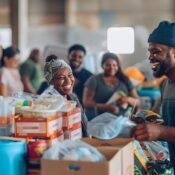
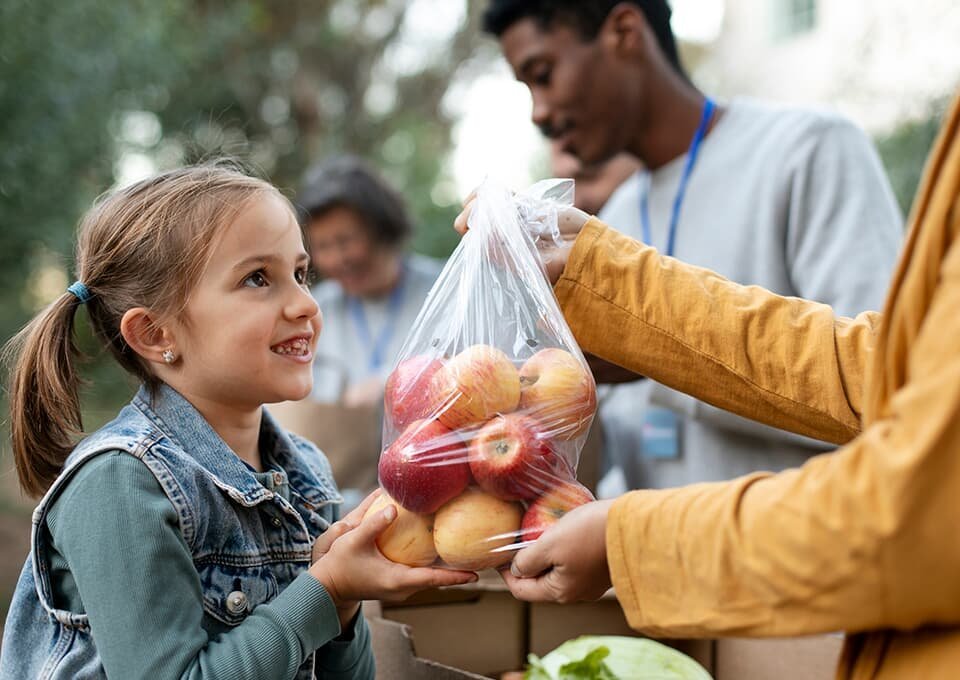
SRD regularly organizes free health and nutrition camps in slums, rural villages, and low-income communities. Each camp is staffed by:
- Qualified doctors and nurses.
- Social workers and volunteers.
- Nutritionists and health educators.
Services Provided:
- General health check-ups (blood pressure, sugar, fever, infections).
- Dental and eye screenings.
- Distribution of free medicines and supplements.
- Awareness sessions on hygiene, sanitation, and nutrition.
Nutrition Component
Malnutrition remains one of the biggest challenges in India. SRD addresses this by:
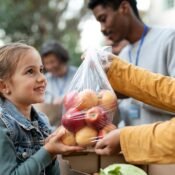
- Distributing nutrition kits to children and mothers.
- Promoting kitchen gardens for sustainable food security.
- Conducting cooking demonstrations to teach families about balanced diets.
Anganwadi and Community-Based Nutrition Support
SRD collaborates with Anganwadi Centres to strengthen early childhood care. Contributions include:
- Supplying food materials and hygiene kits.
- Training Anganwadi workers on nutrition and child development.
- Organizing growth monitoring sessions for children under 6 years.
This initiative ensures that the foundation of child health is built early, reducing malnutrition rates in vulnerable communities.
Leprosy Care Program: Fighting Stigma with Service
Leprosy continues to be stigmatized, often leading to social exclusion. SRD’s Leprosy Care Program provides:
- Medical care for patients.
- Livelihood support for families.
- Counseling to reduce stigma and promote reintegration.
Through this program, SRD has restored dignity and opportunities to hundreds of families impacted by the disease.
COVID-19 Relief: A Test of Resilience
During the COVID-19 pandemic, SRD played a crucial role in Hyderabad and nearby districts:
- Distributed food kits, hygiene materials, and masks to thousands of families.
- Provided psychosocial support for children and women traumatized by the crisis.
- Coordinated with local hospitals to arrange medical assistance.
- Launched awareness campaigns to combat misinformation.
SRD’s rapid response highlighted its capacity to adapt and serve in emergencies.
Primary Healthcare Infrastructure Development
Beyond temporary camps, SRD has worked on building sustainable healthcare infrastructure in underserved areas.
Examples include:
- Renovating primary health centers.
- Supporting local clinics with medical equipment.
- Training community health volunteers.
This investment ensures long-term access to healthcare even after SRD’s direct involvement ends.
Success Stories: Impact at the Ground Level
Case 1: Rekha’s Family – From Malnutrition to Strength
Rekha, a single mother of three, brought her children to an SRD nutrition camp. Severely malnourished, the children were provided with supplements and enrolled in the community feeding program. Within six months, they showed visible improvement in weight and energy. Rekha also joined a women’s SHG, where she learned about healthy cooking and income generation. Today, she supports her children’s education and ensures they remain healthy.
Case 2: Anil – Living with Dignity after Leprosy
Anil, once abandoned by his relatives due to leprosy, received treatment and livelihood support from SRD. With counseling and training, he now works as a tailor and lives with dignity, free from stigma. His story symbolizes SRD’s commitment to inclusive health and empowerment.
Partnerships and Collaborations
SRD collaborates with:
- Government Departments – Women & Child Welfare, Health, Education.
- CSR Partners – Organizations like Indian Oil Corporation for infrastructure support.
- NGO Networks – For advocacy and resource sharing.
- Local Volunteers – College students, doctors, and community workers.
These partnerships amplify SRD’s reach and impact.
Recognition for Health Initiatives
SRD has been recognized for its outstanding work in healthcare and nutrition:
- Appreciation by the Government of Telangana for service in women, children, and senior citizen welfare.
- CSR awards for impactful healthcare interventions.
- Community-level honors for its COVID-19 relief work.
Challenges in Community Health Work
Despite success, SRD faces challenges such as:
- Limited financial resources for large-scale health infrastructure.
- Resistance due to myths and stigma around diseases like leprosy.
- High demand vs. limited manpower during emergencies.
Yet, the team continues to innovate, mobilize resources, and expand outreach.
SRD’s Roadmap for the Future
- Establish permanent health resource centers in underserved communities.
- Expand mobile health vans for remote areas.
- Introduce digital health literacy programs using mobile apps.
- Strengthen partnerships with CSR and medical institutions.
Call to Action: How You Can Support
You can be part of SRD’s mission to improve community health:
- Donate to fund medical camps and nutrition kits.
- Volunteer as a healthcare professional or social worker.
- Partner through CSR to build sustainable infrastructure.
Every contribution helps SRD save lives and build healthier communities.
Conclusion
For more than three decades, SRD has been a pillar of community healthcare in Hyderabad and Telangana. Through its health and nutrition camps, special programs like leprosy care, and emergency responses such as COVID-19 relief, SRD has proven its commitment to health as a human right.
Its holistic approach—combining services, awareness, advocacy, and infrastructure support—ensures that the poor and marginalized are not left behind. As one of the most trusted community health NGOs in India, SRD invites you to join hands in building a society where every child, woman, and family enjoys the right to health, dignity, and hope.
👉 Support SRD today — because health is the foundation of development.